

More than half of Americans say the system treats them like a number rather than a person. In addition, only 39% feel that the healthcare system is working in patients’ best interests. Gilroy and parts of the surrounding area have some of the highest rates of heart disease and diabetes in the county.
As a physician, I find those statistics staggering, but unfortunately, I know them to be the norm. As a Gilroy local, I hear an even louder call to action.
Volume-based medicine has become the new blueprint for healthcare, and it’s fundamentally reshaping the doctor-patient relationship. While churning through more appointments may look productive on paper, it has far more pernicious effects: declining quality of care, physician burnout and, perhaps most troubling, the near-total abandonment of preventive care.
When people hear “preventive care,” they often think of annual physicals and flu shots. And yes, that’s part of it. But real preventive care is about the conversations around your family’s history of heart disease that lead us to check your cholesterol earlier.
It’s talking through your sleep habits, stress levels, and chronic aches. Preventive care isn’t the “band-aid” solution; it’s about building a relationship where the doctor and patient work together to keep you healthy, year after year.
Growing up, I was lucky enough to get to see my mother, who was also a physician, lead by example.
I still remember the interactions she had with her patients and how the work was much more than just fixing things. I’d watch patients walk out of her office standing a little taller, not because she’d cured them of something, but because she’d equipped them to take better care of themselves.
It was a beautiful example of a doctor-patient relationship, and that was the spark that inspired me to become a doctor. I thought: What if, instead of just treating people when they’re sick, I could help keep them from getting sick in the first place?
That’s why I’m working to bring back preventive-minded health and wellness.
In my practice, I spend 30 minutes to an hour with each patient. That means I can see three generations of the same family and provide a continuity of care. And when you have that kind of continuity, you see the ripple effects it has.
One of my patients had moved an hour and a half away and was ready to find a doctor closer to home, until a wellness visit left them so excited about what they’d learned about their own health that they decided the drive was worth it.
After one patient lost her husband, she became more involved with her own health. Because we had that time to look closely at her chart and health history, we were able to create a plan that felt personal, effective and most importantly, mindful of her loss.
This kind of care is only possible when you have real time with someone, and it matters most in the hardest moments. Continuity of care means someone knows your full history and is paying attention, and for my patients, that is invaluable.
Prevention matters to me because I can see the people it benefits, not as numbers on a chart, but as neighbors, families and a community.
The doctor-patient relationship doesn’t have to be a thing of the past. It’s the foundation of good medicine. And when we invest in that relationship, when we prioritize prevention over quick fixes, everyone wins.
It’s time we got back to that.
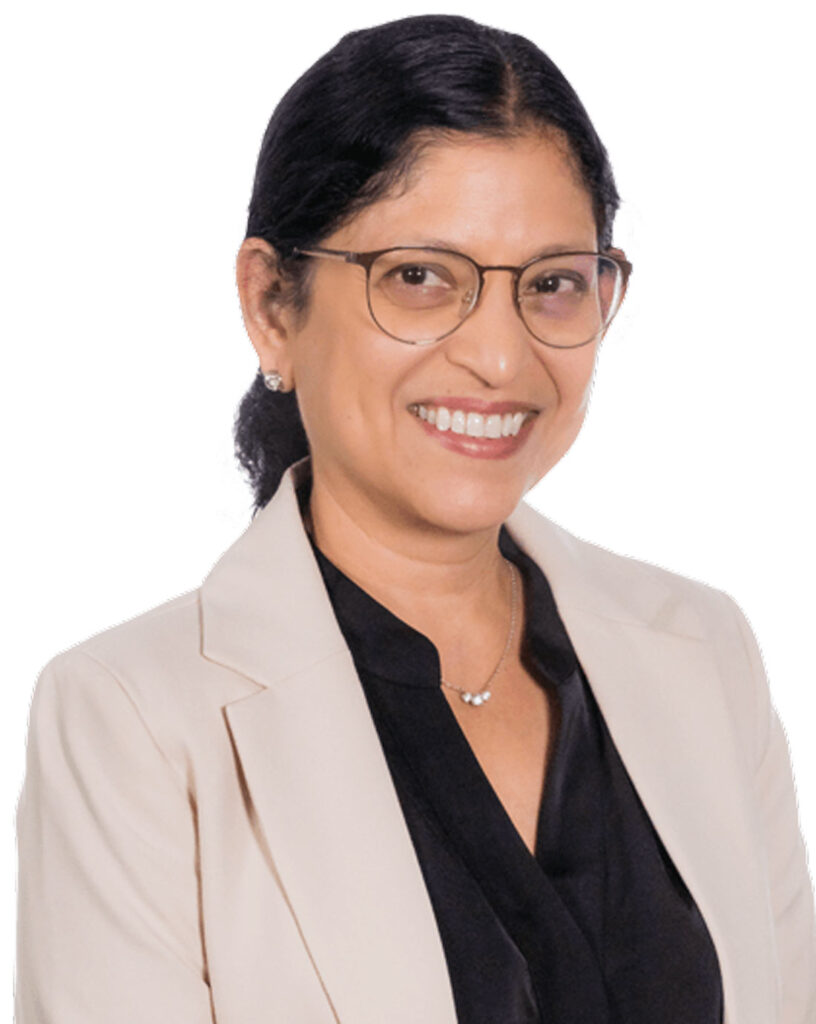
Dr. Smitha Kumar has been practicing in the area for 20 years and serves patients in Gilroy, Morgan Hill, Hollister and Salinas. Reach her via her website at tinyurl.com/mtpff86a