
When I was just out of high school, serving a mission for my church, a man once told me that he couldn’t believe that Christ’s death and suffering was all that special. He was a veteran who had witnessed the horrors of war.
He had seen soldiers suffer some of the most horrific deaths imaginable. He then asked me to convince him otherwise. I didn’t have a great answer then, but this is my answer that I wish I had have given:
If we only focus on the Biblical timeline of his crucifixion, Christ died after being on the cross for only about six hours; where it could take up to four days for others to die who endured the same form of punishment. But if we only focus on this instrument, we are missing what truly caused his pain and ultimately his death and why Easter is so significant.
We need to go back to that Thursday evening after the Last Supper when Christ takes his apostles to the Garden of Gethsemane. This is where he pleads with Peter, James and John to watch with him while he goes to pray. It is here that he began to suffer for all of our sins and he, even God Himself, asked his Father if there was another way.
According to the Gospel of Luke: “Father, if thou be willing, remove this cup from me: nevertheless, not my will but thine, be done. And there appeared an angel unto him from heaven, strengthening him. And being in agony he prayed more earnestly, and his sweat was as if it were great drops of blood falling down to the ground.”
This suffering must have continued throughout the night and into the next day until while on the cross he declared, “It is finished, and he bowed his head, and gave up the ghost.” (John 19:30) Then on that joyful Sunday morning, he was resurrected in triumph over sin and death.
How do I know that he truly paid the price for our sins?
I feel much like the blind man who Christ had healed with some clay and some spittle. When questioned by the Pharisees about whether Christ was a sinner or not he said, “Whether he be a sinner or no, I know not. One thing I know that, whereas I was blind, now I see.”
I have seen his healing touch in many areas of my life. I have had comfort and hope fill my soul during some of my darkest days. Many times while praying for help with a problem, I would receive an idea I had never considered. And every time I have come to him to repent of my sins, I have felt his forgiveness and his loving embrace encouraging me to continue to follow him and his example.
I now echo what the blind man said: “One thing I know, that, whereas I was blind, now I see!”
Happy Easter!
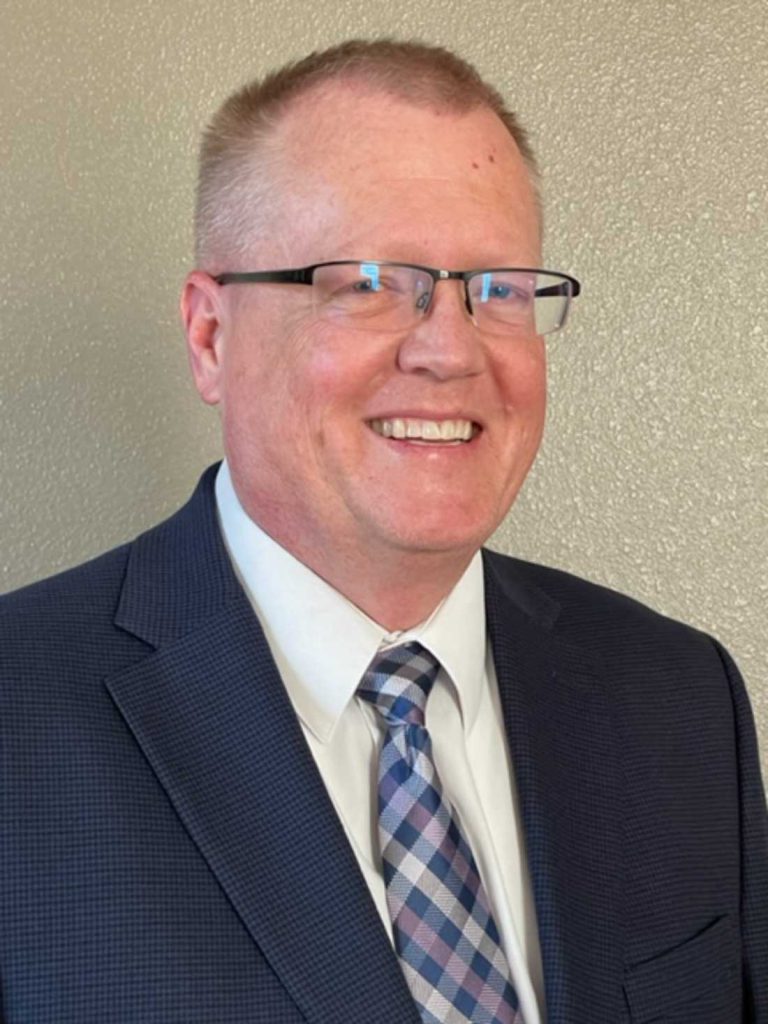
Mark D. Fullmer is High Councilor in the Morgan Hill Stake, The Church of Jesus Christ of Latter-day Saints. He is an active member of the Interfaith Clergy Alliance of South County and can be reached at 1d******@***il.com.