There are certain events that become part of your life without you ever realizing it. They mark the seasons, become family traditions and, over time, become part of your own story.
For me, that event is the Gilroy Garlic Festival.
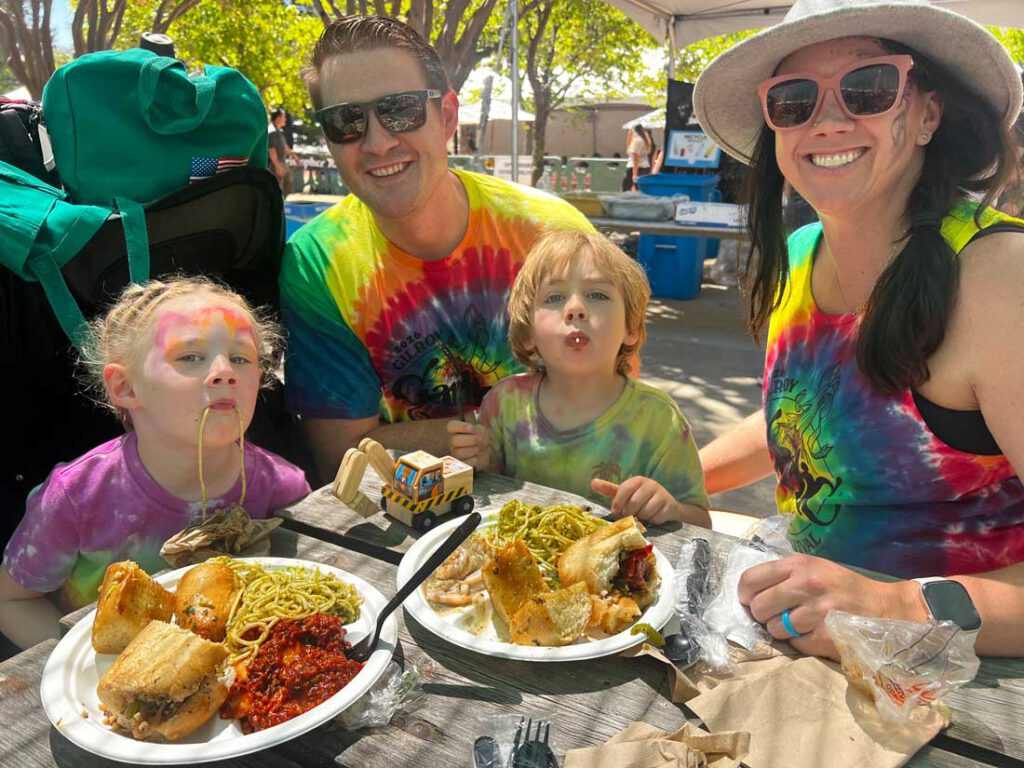
Like so many people, I’ve been attending the festival for years. I’ve gone with family, with friends and, as a reporter and more recently, wearing my publisher’s hat. Every visit seems to bring a familiar routine: running into people I haven’t seen in months, stopping to chat with community leaders and volunteers, and, of course, making the difficult decision about what to eat first. Pepper steak? Garlic fries? Scampi? The answer has usually been, “Why not all of them?”
But what has always stayed with me isn’t just the food. It’s the feeling.
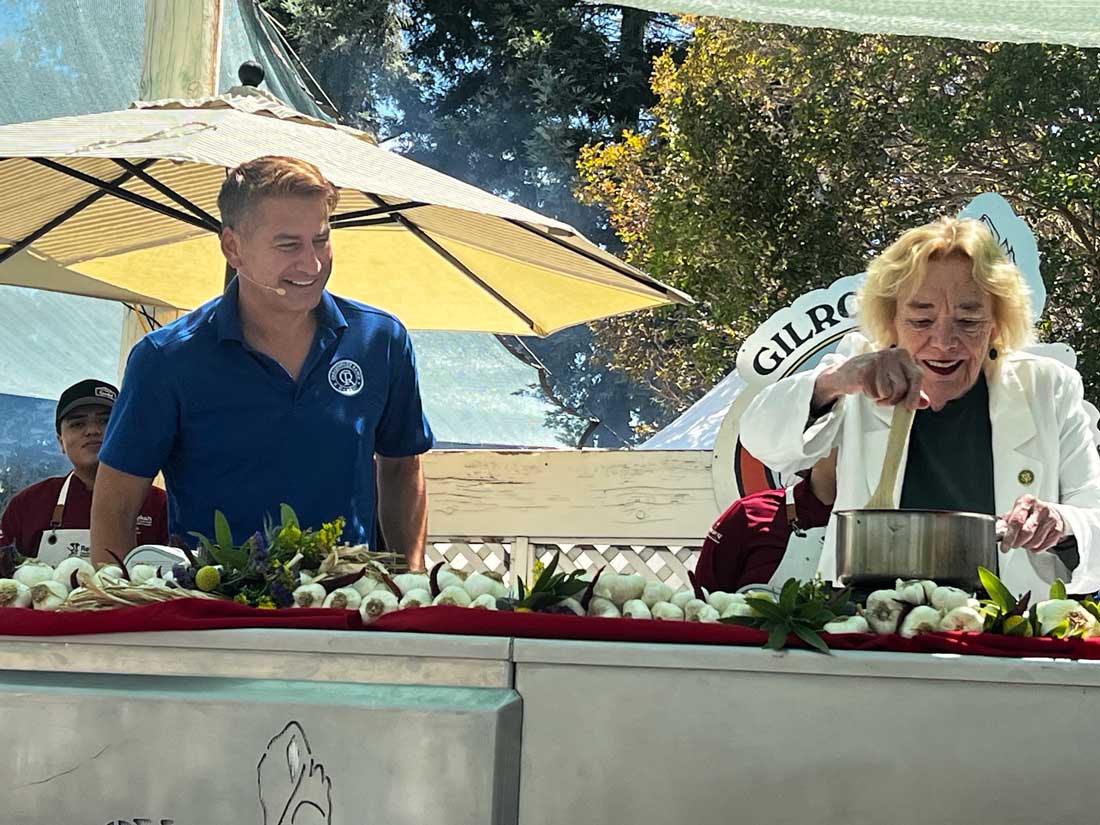
Walking through the festival this past Friday, I was reminded that the Gilroy Garlic Festival has never really been about garlic. It’s about community.
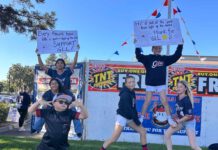
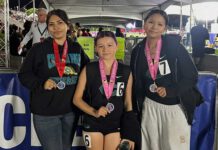
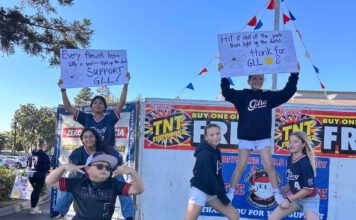
You see it in the hundreds of volunteers who give their time because they believe in something bigger than themselves. You see it in the local nonprofits and school groups raising money for programs that directly benefit our community. You see it in families introducing their children—and now their grandchildren—to a tradition that has become woven into the fabric of South Valley.
That’s what makes this event special.
When the first Gilroy Garlic Festival was held in 1979, few could have imagined what it would become. What began as a celebration of the region’s agricultural roots—thanks to the vision of Dr. Rudy Melone, Don Christopher and Val Filice—grew into one of California’s signature food festivals.
Along the way, it generated millions of dollars for local nonprofits while putting Gilroy on the map in a way few community events ever do.
For many people outside our area, Gilroy is the Garlic Capital of the World because of the festival.
For those of us who live here, it’s something much more personal.
It’s where classmates worked their first volunteer shifts. It’s where service clubs spent long days cooking to support scholarships and community projects. It’s where neighbors gathered every summer and where countless memories were made over paper plates filled with garlicky goodness.
Like everyone in our community, I also remember the heartbreak of 2019. The tragedy that unfolded changed the festival forever and left wounds that are still felt today. For a time, many wondered whether the event that had become such a defining part of Gilroy’s identity would ever return.
That’s why attending this year’s festival carried a different feeling.
There was certainly excitement, but there was also gratitude.
Gratitude for the organizers and volunteers who refused to let a cherished tradition disappear and who found a way to bring people back together. Gratitude that our community chose resilience over fear.
As a newspaper, we spend a lot of time covering city councils, school boards, elections and public policy. Those stories matter because they shape our future.
But festivals like this tell us who we are.
They remind us that communities aren’t built solely through government decisions or economic development. They’re built through shared experiences, traditions and the willingness of people to invest their time in making their hometown a better place.
Some traditions are worth preserving because they’re fun.
The Gilroy Garlic Festival is worth preserving because it reminds us what community looks like.