

The Gilroy Historical Society has named four properties as winners of its 2026 Architectural Awards, recognizing owners who restored or preserved local historic buildings.
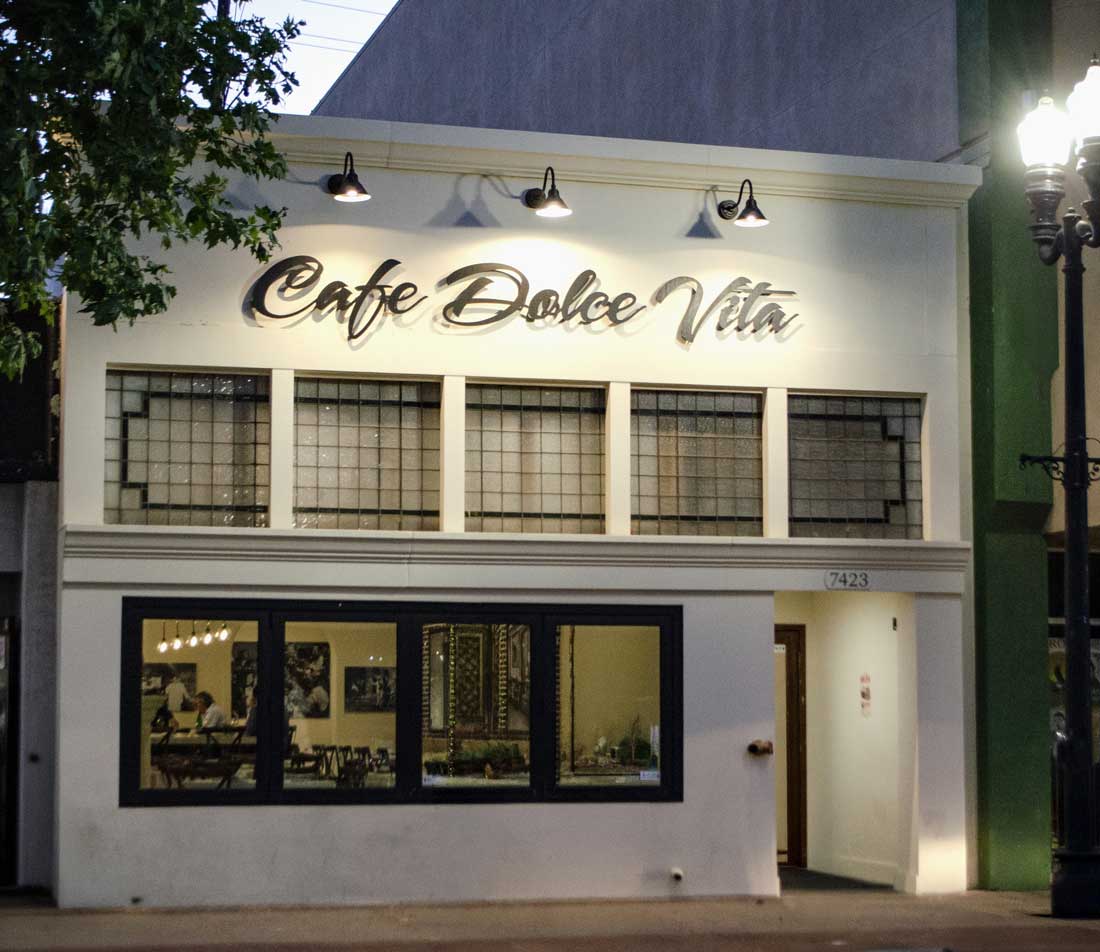
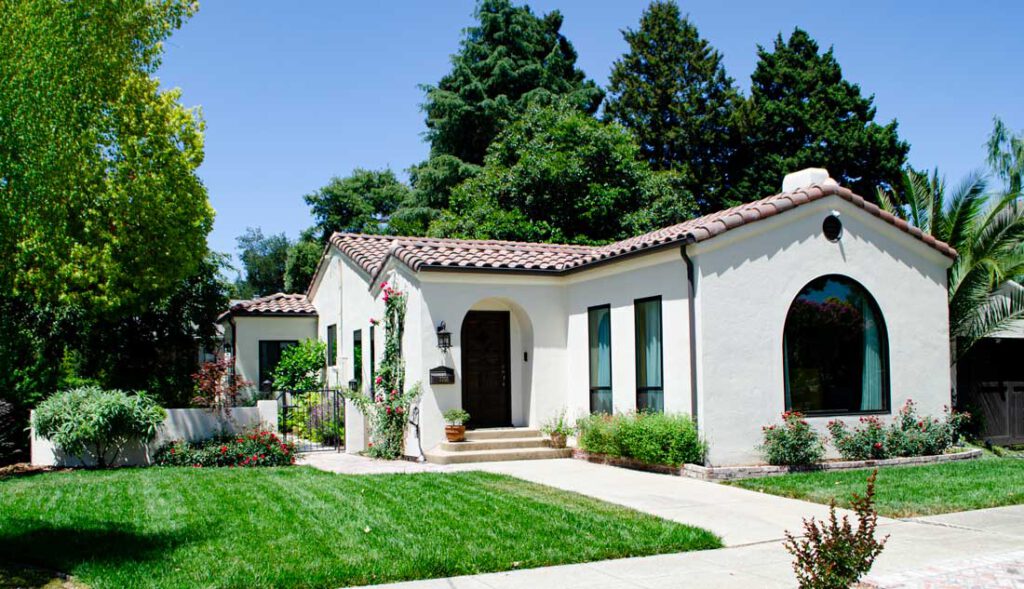
This year’s winners are a 1920s Spanish Colonial Revival bungalow at 7701 Rosanna St.; a former gas station now home to Camino Coffee at 7300 Monterey St.; a former bakery now occupied by Lonely Oak Brew Co. located at 7323 Monterey St.; and the Cafe Dolce Vita building at 7423 Monterey St.
Dan Donovan, who leads the Historical Society’s Architectural Awards Committee, said the program is meant to celebrate property owners who put time and money into preserving Gilroy’s historic buildings, not to interfere with how they use their property.
“Our intent is to recognize and, in a small way, reward people who really take an interest in their property,” Donovan said.
The Rosanna Street bungalow was restored in 2025 by the granddaughter of the family that has owned the home since the 1940s. Donovan said the current owner grew up in the house along with her sister, and that the family’s roots there stretch back multiple generations, though gaps in its ownership records leave its origins hazy.
“[The historical record] doesn’t trace back to when the house was originally built,” Donovan said. “That kind of research is painstaking, since there’s no index for the old property tax records. You have to go through the books page by page. It is roughly in alphabetical order, but if you don’t know exactly who you’re looking for, it’s a needle in a haystack.”
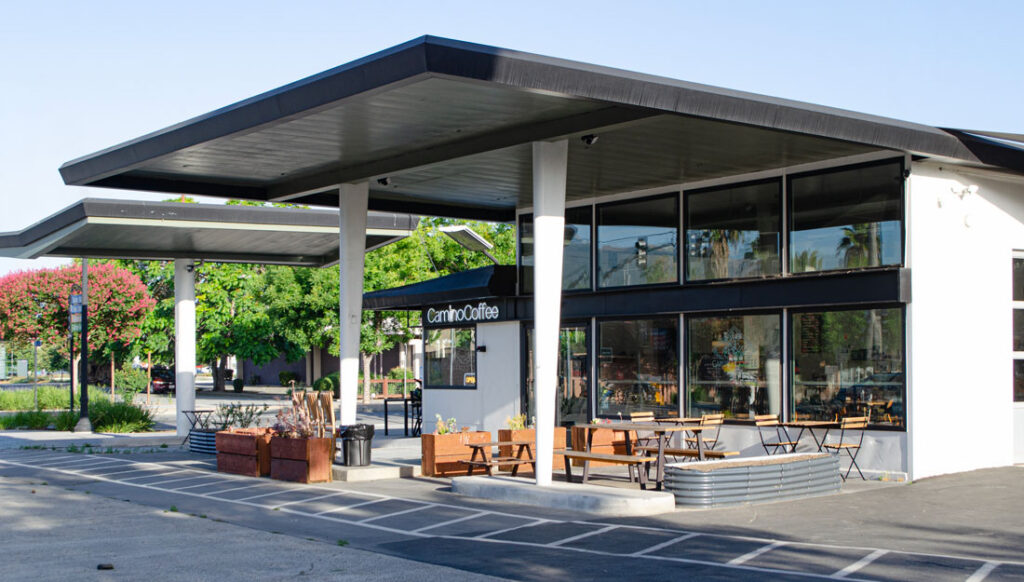
At 7300 Monterey St., architect Andrew Raimundo and owner Frank Oliver converted a former gas station into Camino Coffee. Donovan credited fellow committee member Connie Rogers with identifying the building’s “Googie” styling, characterized by upswept rooflines, glass and metal construction, geometric angles and Atomic Age-inspired motifs.
“I think it’s the last one I’ve seen in Gilroy,” Donovan said.
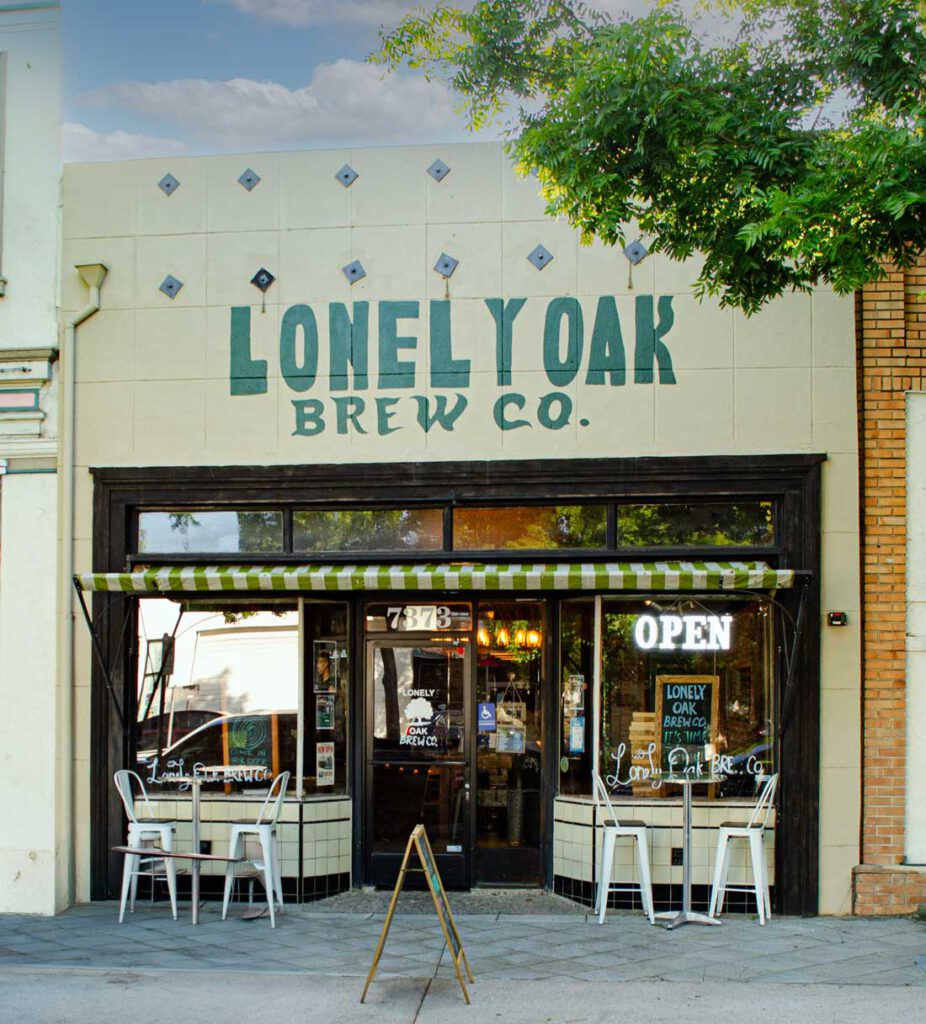
Down the block at 7323 Monterey St., Lonely Oak Brew Co. owned by Greg and Lorenzo Jaso occupies a building many longtime residents remember as the New Gilroy Bakery. A huge 18-by-18-foot brick oven installed in 1930 remains inside the building, though Donovan said the Jasos have struggled to find consistent use for it since demand for in-house pizza was insufficient to justify operating the massive oven.
“It’s a bit of a challenge for the Jasos,” Donovan said. “They initially tried making pizza with it, but there wasn’t enough demand. They ran it for a while before deciding it wasn’t worth the time and expense. Now it mostly sits idle.
“They’re trying to find someone to partner with, maybe a home baker looking to go commercial.”
At 7423 Monterey St., owner Aldo Maresca transformed the space into Cafe Dolce Vita, an Italian restaurant. The building has cycled through several identities over the decades, including Steinmetz Pool Hall, Garcia and Henry Engineering and the Bella Viva wine bar.
Both Monterey Street buildings were documented in a 1980s historic survey funded by a U.S. Department of the Interior grant and are listed on the city’s historic resources inventory.
The Historical Society formalized its awards process in 2021 after years of what Donovan described as an unwieldy nomination system.
“Some years as many as 10 or 15 awards were given out, and that dilutes the value,” he said. “People would nominate their own houses, and you could argue it became more about social status than any objective criteria.”
A committee was formed to formalize a set of judging criteria that would keep the awards objective and selective. Under these new rules, the committee accepts nominations each March, reviews sites in April and selects winners for presentation to the Historical Society’s board in May.
Awards are presented at the Society’s annual membership meeting in June. Winners receive a framed certificate with a professional photograph of the building.
Donovan said the recognition can open the door to other preservation incentives, including getting a property added to the city’s historic resources inventory and, for homeowners, applying for California’s Mills Act program, which offers property tax relief to homeowners who commit to refurbishing historic homes.
“It can be a lot for a homeowner” to take on the task of renovating early 20th century homes that often fall short of modern health and safety standards, Donovan said. “If you’re getting $5,000–$6,000 a year in tax relief over 10 years, that’s a big chunk of change.”
Donovan, who also volunteers with the Gilroy Downtown Business Association, said the awards tie into a broader goal of keeping downtown storefronts occupied and thriving.
“I care about making sure downtown businesses actually thrive once they get going,” Donovan said. “It’s not easy. This isn’t a high-income town, and we have real challenges. If a business meets the award criteria and seems, in our judgment, worth preserving and helping grow, that’s good for downtown overall.”








For local history fans, the Gilroy Historical Society has added plaques to a select number of historic downtown buildings. If your walking in downtown and want to read about the building’s history, just scan the QR code on the plaque with your cell phone.
The GHS is also strategically placing signs in front of historic residences, buildings and locations. Sites include: Maria Ascencion Solorsano de Cervantes’s, Caroline Hoxett’s, and George Renz’ residences, and Hanna Field.
For those interested in taking a guided walk through Gilroy’s historic areas, please plan to join us at 10:00 AM on Saturday, August 1 at the Gilroy Museum (corner of Fifth and Church Streets).