


County to host workshop on safe livestock encounters
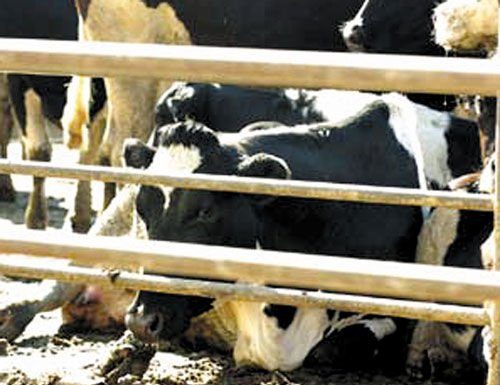
Hikers, cyclists and horseback riders can learn how to safely interact with cattle and other livestock when encountering these animals on local recreation lands at an Oct. 17 workshop hosted by Santa Clara County Parks and Recreation.The workshop, which runs from 10 a.m. to noon, will be held at Coyote Lake-Harvey Bear County Park in San Martin—one of four county parks where cattle graze on the same property where hikers, cyclists and equestrians enjoy the outdoors.Collectively, such county parks where livestock live host more than 1 million visitors per year, according to county staff. Research from the UC Cooperative Extension notes that negative interactions between livestock and people occasionally occur on these parklands. Such interactions reportedly number less than seven incidents annually.With negative publicity around these incidents, people have expressed their fear of encountering a large animal on a trail, county staff added. The Oct. 17 workshop—conducted by park staff, ranchers and livestock and range management experts—will help park visitors better understand livestock and cattle behavior, and learn proper ways to safely approach cattle on the trail.Since 1992, the county has developed recreation trails on four parks where private ranchers keep their grazing livestock. Mixing these uses reduces the risk of wildfires and helps control invasive weeds such as yellow star thistle, according to county staff. Grazing also benefits some threatened and endangered animals, such as the California red-legged frog and the California tiger salamander. Grazing is also important in protecting habitat for rare species found in serpentine grasslands.Currently, more than 11,000 acres of county parklands are open for grazing, county staff added. Ranchers pay a fair market value to keep their livestock on the properties.