


Since my last housing post in July 2025, Gilroy continues to make strides to plan and promote housing opportunities for our community that are typically more affordable. The state released new income guidelines—a household of one whose income is $113,700 is considered low income. The same is true for a household of four who earns $162,400.
We continue to lag behind other cities in housing supply and we need to be taking advantage of the many tools before us.
Gilroy must continue to promote the development of more housing for all income levels while looking at creative policies and funding through our local control to make them more livable, accessible to transit, bikeable,and walkable. I support Gilroy’s accessory dwelling unit (ADU) program in single-family and multi-family residential lots, while having the additional option for junior accessory dwelling units.
As more residents want to age in place, having the option to move into a smaller unit on your property while being able to rent out the larger home, allows income and stability for you to stay in your neighborhood. While 29 ADUs in 2025 is good progress, our production of much needed housing for all continues to fall behind schedule.
Every March, city staff presents to City Council our General Plan 2040 and Housing Element Annual Progress Report. My office remains concerned that we are failing to implement programs and aren’t making enough progress toward our housing goals.
I have several concerns about this APR being accepted by the State Department of Housing and Community Development (HCD) that are also shared by Community Based Organizations, residents and local leaders. We are decades behind in our housing production because of current constraints, lack of programs, policies and funding.
Through our local control we created programs to build rental/owner opportunities like duplexes, triplexes and fourplexes. We have identified programs where the city will go further with incentives to develop residential units in our Downtown Expansion District and First Street Mixed-Use Corridor.
In exchange for this flexibility, the city may require that a certain percentage of units be dedicated to extremely low-income households, farmworkers, persons with disabilities or other identified groups.
We have the current capacity to build over the next five years and align with our state and region’s long-range plan for housing, transportation, economy and the environment, known as the Plan Bay Area 2050. It calls for creating compact walkable communities by promoting high-density housing and mixed-use development near transit stations and in existing urban areas.
Several plans and policies—including a Transportation Demand Management (TDM), Vehicle Mile Traveled (VMT) and Climate Action Plan—are currently being drafted. These will help enhance all of our developments to shift modes of transportation and connect them to transit in line with our General Plan 2040.
Many residents are employed outside of Gilroy, but we have a large population that work, play, attend school and are retired in Gilroy. Improving our infrastructure is always on my mind, and that’s why year-to-date my office has worked with our state and federal legislators to secure $5.2 million for project funding that directly benefits our residents—including a bike and pedestrian trail extension on the westside, San Ysidro Park on the eastside and an enhanced crosswalk for senior housing on the southside.
Data from our Housing Element shows 21% of households are considered extremely low-income, making less than 30% of Area Median Income (AMI). Thirty-eight percent of our population is 24 years old or younger and they live, play, go to school and work in Gilroy.
The consequences of failing to effectively and aggressively confront this crisis is hurting thousands of our residents, robbing future generations of the chance to call Gilroy home, stifling economic opportunities for workers and businesses, worsening poverty and homelessness and undermining our environmental and climate objectives.
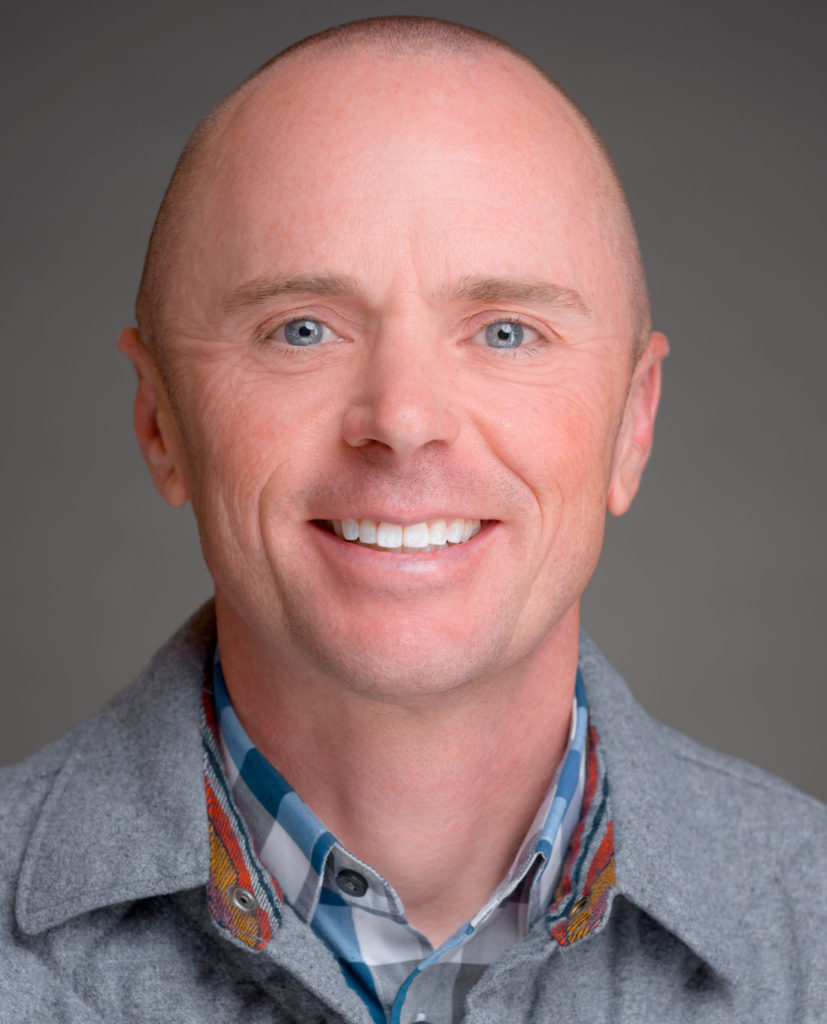
Zach Hilton is a Gilroy City Council Member.










That ie good, Zach. We also have to promote education and skills development for our students. Making trade schools part of high school education. Look at the Fremont/Newark Regional Occupation Program and the campus they repurposed for kids to attend. Our high school counselors should be promoting these tracks to students and their parents during Jr. High and High School. Parents have to be present in their kids education. At the end of the day, parents and home life are where careers are made possible for kids. Community partners and programs are conduits but the desire to be is made at home.
That ie good, Zach. We also have to promote education and skills development for our students. Making trade schools part of high school education. Look at the Fremont/Newark Regional Occupation Program and the campus they repurposed for kids to attend. Our high school counselors should be promoting these tracks to students and their parents during Jr. High and High School. Parents have to be present in their kids education. At the end of the day, parents and home life are where careers are made possible for kids. Community partners and programs are conduits but the desire to be is made at home.