



45 F
Gilroy
December 8, 2025

Huge Housing Development Proposed for North Gilroy

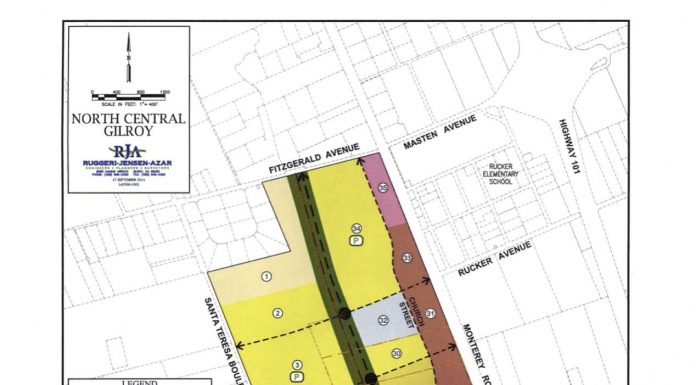
GILROY—The city council will decide Monday whether to recommend annexing 721 acres of farmland north of the city to build a massive planned development with two schools, a major shopping center and several parks.

For the love of art: Two committee seats still open

Even with all of the publicity the City of Gilroy has put into its recruitment campaign, two seats on the Public Art Committee remain to be filled.

Library tax breakdown

Gilroy

Downtown Troubles

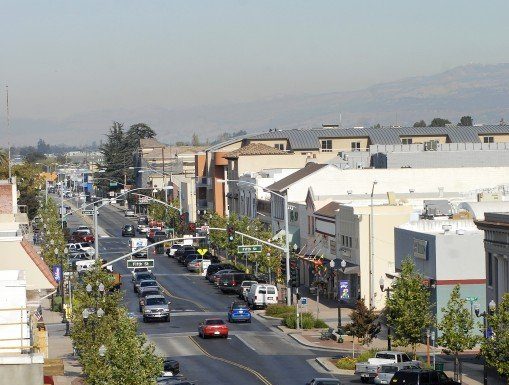
Ten years ago, Gilroy adopted a Downtown Specific Plan to transform the city’s core. The plan envisioned entry monuments, welcoming gateways, outdoor dining, nicely designed signage and beautified streetscapes in and around the historic district. It called for 1,576 new residential units and the “development of roughly one million square feet of new commercial building space.”The plan’s adoption capped a two-and-a half-year effort by a volunteer task force, city staff, elected officials and a consulting firm paid $180,000 to organize the process and draft the plan.Jose Montes, who owns four buildings downtown, started buying properties around the time of the plan’s inception and remembers it being an exciting time. A decade later, he says, “to be quite honest, they haven’t done just about anything.”City planners seem to have forgotten about the plan altogether, even though it’s a legal extension of the General Plan. The city has not formally reviewed its progress and has no schedule to implement the remainder of its provisions, said planning manager Susan Martin. She characterized the plan as a “working document” and cited accomplishments such as the development of the Heritage Bank and Allium buildings, the installationof streetscape improvements and banners and allowances for outdoor dining. It’s clear, though, that downtown still has a long way to go. The city lagged in implementing the “short range” accomplishments slated for the first two years. Then, two years into the plan, the economy crashed and the Great Recession brought everything to a halt. The city council changed and planning staff turned over. Economic incentives were withdrawn, retail vacancies grew and enforcement actions began. Property owners and investors lost their enthusiasm. At the midpoint of the 20-year plan, which runs through 2025, roughly a quarter of tenant spaces are vacant, and new development is at a standstill.The plan had mapped out development incentives, such as tax and fee waivers and loans. “I hope the plan will come back,” said Montes. “It’s important for the city, important for the downtown, and vital for investors.”Downtown property owner Gary Walton, who chaired the task force convened in 2003, called the 194-page document “a lot of paper.” “Like everything else they do, all too often reports sit on the shelf and gather dust,” he said.Things got off to a strong start in 2003, when city officials eliminated “development-impact fees" for housing construction. Then-city planning manager Bill Faus told the Dispatch in 2005 the incentive program “has already served its purpose quite well. We currently have 22 active projects downtown, and nine being discussed. What it has done is stimulate activity.” “Once we got rid of impact fees, the downtown took off,” recalls real estate developer James Suner, who was vice chair of the Downtown Specific Task Force and whose James Group built Carriage Park and Dos Acres. Without the economic incentives, he said, “it’s mathematically impossible to rebuild downtown.”Montes agreed: “Since the fee waiver left, no building has been able to be built.”The city’s insistence on maintaining the fees ignores the disproportionately higher burden they impose on smaller lots, Suner said. Economies of scale give larger developments an advantage over smaller ones, he said.There hasn’t been any new construction in the downtown core, and no new construction is planned, said developer Walton, who has owned 11 downtown buildings, including the interim library and arts center, the Lizarran Tapas Restaurant at the Old City Hall Building and the La Aldea apartment complex.Gilroy’s aggressive approach to earthquake safety contributed to a self-perpetuating cycle of economic malaise, he added. The city’s Unreinforced Masonry Ordinance, written in 2011, does not allow landlords to sign new tenants until expensive retrofits are completed.Landlords who are unwilling or unable to reinforce their buildings leave them vacant. High vacancy rates breed a perception of non-viability among potential investors, who stay away. Landlords, lacking investment or financing, cannot charge high rents, so they don’t make enough money to retrofit the buildings, he added.“It’s been a disaster,” Walton said.Mayor Don Gage acknowledges a lack of progress since the ordinance was passed, but places the blame squarely on property owners.“These people that own these buildings, they basically did nothing,” Gage said. “There were a few that did some things, and they’re actually still doing them. But others didn’t do it. And they use every excuse in the book. ‘I can’t afford it, the building isn’t worth it, the fees are too high, blah blah blah blah blah.’”The city’s enforcement of the URM ordinance was the only responsible way to prepare the city for an earthquake, which could leave the city liable for injuries in the event of a lawsuit, Gage said. The fines levied and legal action taken has instilled a sense of urgency among proprietors, who otherwise feel unmotivated to act, he said.“They didn’t want to spend the money until we started fining them and putting them in jail,” he said.“Property owners whwwo call for continued fee waivers are only trying to shirk their responsibility,” Gage said. The city cannot afford to subsidize businesses, which would gain access to public resources at the expense of the city.“They want everything for free,” he added.Walton thinks it’s time to “redo the plan.” He says, “they need to revisit it. The world has changed since the Great Recession.”“Why would you be satisfied with having the worst downtown in Santa Clara County and not be working 24/7 to reverse that?” asks Walton. “I don’t get it.”Dan Pulcrano contributed to this story.

Foreclosures and West Nile?

Property foreclosures do not usually conjure up images of

Developers sue city over fees

Three developers, including the Glen-Loma Corporation, owned by Filice family members who are longtime residents and developers in Gilroy, have sued the City of Gilroy for more than $500,000 in relief for “unjustified and excessive development fees” as well as unspecified attorney fees, according to court documents.

Is the city spending too much on downtown group?

The Gilroy Downtown Business Association found itself in the crosshairs at the City Council meeting on Monday, after its annual funding from the city was pulled from the consent agenda and brought forward for discussion.

Gilroy Teacher had Previous Complaint

A Gilroy woman said she alerted Gilroy High School officials and police more than a year ago to sexual texts sent by Gilroy High School science teacher Doug Le—who was arrested April 26 on suspicion of soliciting lewd pictures from minors—but nothing was done.

Public push from police

This week's announcement that the federal government will grant

SOCIAL MEDIA

10,025FansLike
1,436FollowersFollow
2,589FollowersFollow