
The pictures from Minneapolis that we have seen in the last few weeks have shown us that neighbors look out for neighbors. It is inspiring to see the community at work where people come together for the common good.
As human beings we are all called to be in community. Whether we are part of a religious community or not, we need community. (And I am sure that the people in Minneapolis are not asking what religious community someone belongs to, before blowing a whistle or being an observer.)
A community is defined by living with others where everyone supports one another, empowers one another and learns from one another. Community draws us into the center of life where values count and meaning matters more than our personal careers and our personal convenience.
There is much written on the value of being part of a community. Community benefits us physically, mentally, emotionally and spirituality. Being part of a community lets us know that we belong somewhere. Being part of a community reduces loneliness. Being part of a community can reduce stress during difficult times.
The culture in this country has become increasingly individualistic. Many times, people will ask the question, “what is in it for me?” before they participate in something. Individualism says we look out for ourselves first and foremost instead of considering what is the common good.
Community says all deserve their basic needs to be met. Did you know that community is the only antidote to individualism?
To be part of a community two things are called for. First, community requires us to pay attention to the little daily things that are needed by ourselves and others. It might be serving meals, listening to someone who needs to talk, giving a hug to someone who needs a physical connection or sending a note or email just to say, “I am thinking of you.”
Sometimes, little daily things mean asking for favors nicely, knowing that the person who is asked might refuse. And sometimes when we need to refuse a request for a favor, refusing gently. It takes courage to ask because we might be refused, but that is part of being a member of a community.
Second, community makes demands on us. It demands that we use our gifts for the benefit of the community. It demands that we make relationships a priority. It demands that we make room in our community for new people.
It demands that we share ourselves, our minds, our insights and our time with others. Most of all it demands that we allow the people in our lives to be who they are and grow as they can.
If you are part of a community, be grateful. Reflect on the benefits you are receiving and whether you are contributing to your community as you need to. If you are not part of a community, the member organizations of the Interfaith Council offer opportunities to be involved with one of several communities. Contact in*********************@***il.com for more information.
All of us need community right now, maybe more than ever.
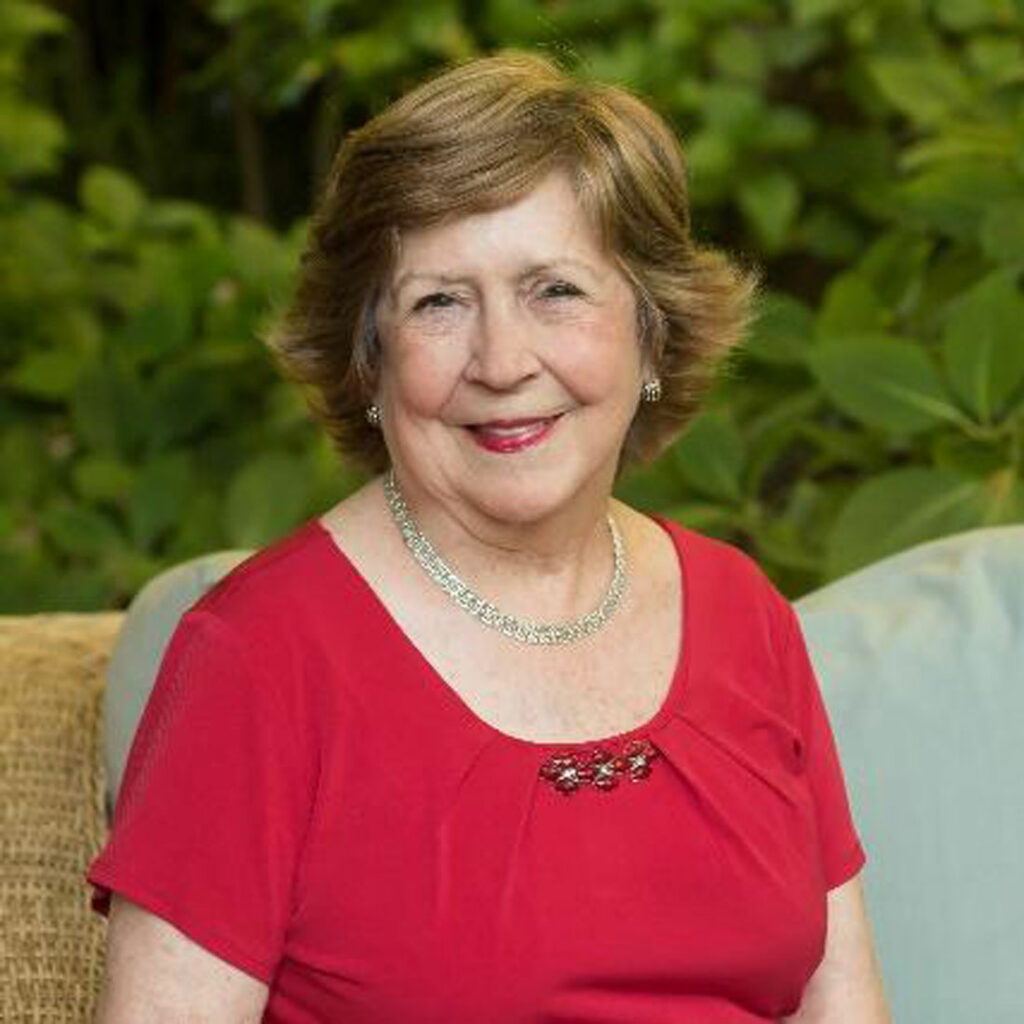
Rev. Dr. Linda A. Holbrook is the pastor of Morgan Hill United Methodist Church and a member of the Interfaith Clergy Alliance. She may be contacted at li************@*****il.com.