

Delo’s Divots: Keep elbows close together for proper swing plane
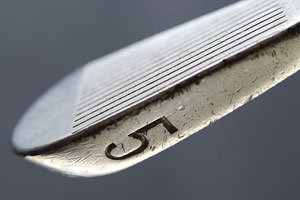
We have all heard golfers talk about a
Getting Out: New Idria is full of lore

Many of my favorite adventures began on the sofa with a map. I see a vast blank region crossed by a single lonely road and wonder: “What the heck is out there?” One day, the lure is too great to resist and I go. The experience is always so much more than just another Sunday drive.
Historic El Camino Real and modern travel

Inwardly grumbling about the hassles of modern day traveling, I
Bert Mar Invitational returns to CHS

After two years away, the annual Bert Mar Invitational will return home to Christopher High on Saturday. The wrestling tournament—now in its 10th year—was held at Independence High the last two years. The tournament is named after Bert Mar, the former South Valley Middle...
Change in fur color could be injury-related

Our Siamese kitty, Percy, has a dark spot of hair on the middle
The Ghosts of South Valley are Among us

Whether you believe in ghosts or not, almost every region of the
Companion planting with nasturtiums
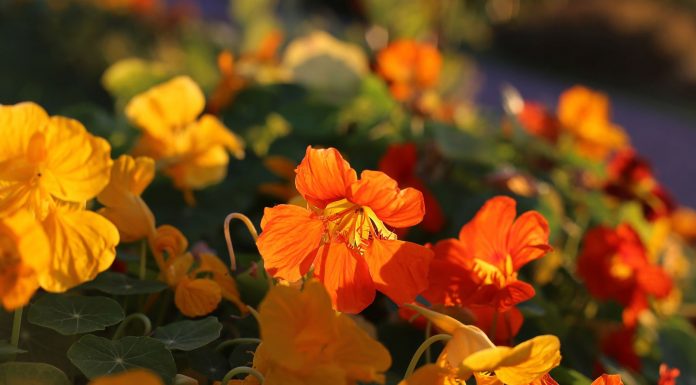
There is nothing sweeter than walking out into your own yard and picking a piece of red leaf lettuce or pulling a juicy carrot and eating it fresh from the garden. Planting season is always an exciting time of year when I start daydreaming about the great kinds of veggies I can grow or I discover a new, fun heirloom to plant.I just moved to south county and I will be getting ready to put in my first garden here in Gilroy. Every new garden presents a brand new process of trial and error. An opportunity to find out what will grow best in a new outdoor space. This year is no exception, and I have lots of big questions to ask myself, namely: What should I plant? Where in my yard would each plant get the best light exposure? Will I depend on the plants for one season or should I invest in a few perennials that I can enjoy for years to come?But, being an organic gardener, one of the most important considerations I have is figuring out how to deal with pests naturally. It is a conscious choice to avoid pesticides and it need not be a reactive process. I can be proactive and use companion planting as a natural remedy to ward off common garden pests, like aphids and beetles. Rather than search for a treatment after the pest has already made a home.Companion planting works by creating a symbiotic relationship between plants in the garden. A companion plant can serve to either repel certain pests or perhaps attract beneficial ones. The companion plant may also provide a suitable decoy for the plant or vegetable that we hope to get a successful yield from. One of my favorite companion plants is the nasturtium, which has endless benefits in the garden. They are beautiful to boot.Years ago, when I first started using organic measures in my garden, I learned that planting nasturtiums in your tomato beds will draw aphids away from your precious tomato plants. The first time I saw this in my own garden, I was blown away by the intense cluster of black aphids feeding on this little plant near the base of my heirloom tomatoes. Nasturtiums are not only a delightful and alluring trap crop, but their peppery tasting flowers and even their small round lily pad shaped leaves are edible. I especially like the look of its jewel toned petals sprinkled on my salad. It is also interesting to note that even the seeds are edible and can be pickled.And nasturtiums aren’t just great for keeping your tomatoes free of aphids, they are a good companion for a variety of plants, including most members of the brassica family. Brassicas are cruciferous vegetables that include cabbage, kale, and broccoli to name a few. Nasturtiums need little calcium, making it a great companion plant for brassicas, which have a high need for calcium.Nasturtiums can also help to improve the flavor of several plants in the garden including: melons, squash, cucumbers, and others in the cucurbit family. They can be planted on the edges of your melon or squash beds to improve the flavor of the fruits. In addition to protecting your veggies from aphids, nasturtiums will fend off squash bugs, striped cucumber beetles, and other vine boring pests.The brightly colored blossoms of the nasturtium also attract bees and other pollinators important to a healthy garden environment. They are relatively easy-going plants that thrive in poor soil and don’t require a lot of water. They can pretty much be neglected—thrown down to grow under any plants, and they reseed quite easily.Nasturtiums can be bought as seeds or seedlings from your local garden center. But they grow quickly enough from seed, root divisions, or cuttings. Often they are so prolific, volunteers will crop up year after year. I like to harvest the dropped seeds to dry and save them for sharing and growing again next year.However simple it may be, the nasturtium plant is a beautiful, yet powerful adversary to have in the garden. If you have not already welcomed nasturtiums into your garden, consider making this spring their season to shine.
VTA makes commuter changes

Valley Transit Authority was set to implement scheduled changes across its entire light rail and bus system on Dec. 28, posing new headaches for many South Bay commuters and new solutions for others.
As a way to make the changes more palatable and introduce new...