
Morgan Hill celebration showcases best of the Fourth
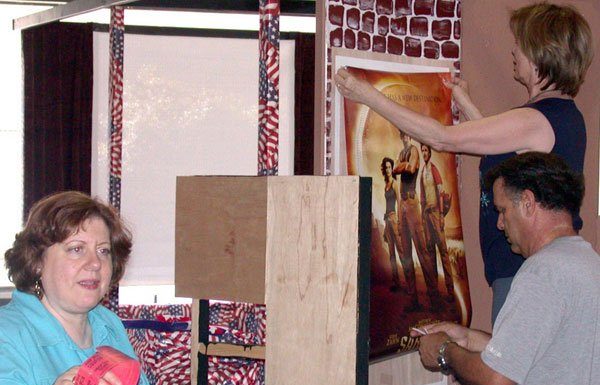
Marching bands, elaborate floats, fire engines, antique cars and
NFL: Minnesota judge to hear NFL case regarding labor dispute
Judge Susan Richard Nelson will begin hearing arguments in her
Feed me, feed me
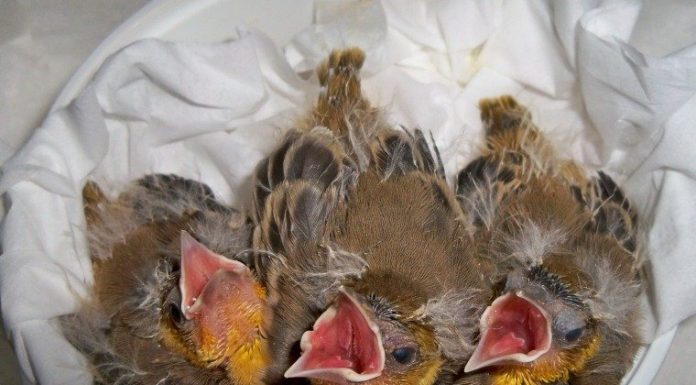
Three nestling Bullock’s Orioles open their bright pink mouths and demand to be fed, in this case by volunteers who feed them a special passerine diet every hour from sunrise to sunset. They were orphaned mid-July after a windstorm broke the tree branch holding their nest and were brought to the Wildlife Education and Rehabilitation Center still snuggled inside their hanging nest made from fibers, grasses, and bits of soft feathers. Sporting gorgeous amber-yellow breast feathers, they are growing up fast and have just begun eating juicy mealworms. When they’re released back to their summer habitat in Gilroy sometime next month, they will dine on wild bugs such as caterpillars and spiders, as well as fruit. They will also drink from hummingbird nectar feeders in backyards, as well as enjoying halved oranges and suet put out for them.
What’s on a bottle
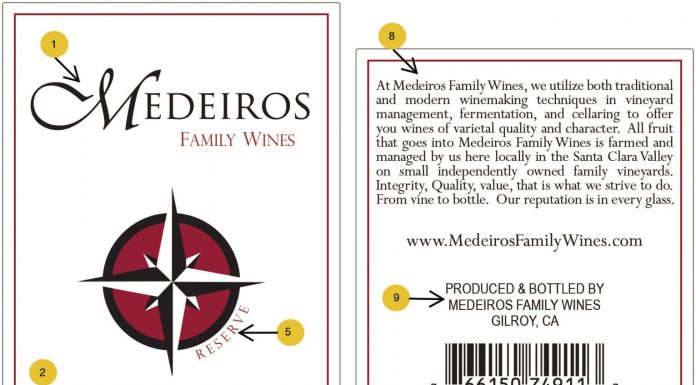
You can’t judge a book by its cover, but with wine, it’s a different story. We often purchase a bottle of wine based on a colorful, eye-catching label. But reading what the label says will improve your chances of actually liking the wine inside. Here are 10 tips for better understanding what’s in the bottle.The largest words on a wine label are usually the name of the winery or company that made the wine.If the label lists the name of the varietal, it means there is at least 75 percent of that varietal in the bottle—the remaining 25 percent can be one or more different grapes. If you don’t see the name of a varietal, it means that the wine is a blend.Labels will tell you where the grapes are grown. If you see Santa Clara Valley, you know right away that the grapes are premium. Riper styled wines typically come from Lodi or Paso Robles where the growing season is quite warm. Monterey wines usually produce cooler climate grapes such as pinot noir and chardonnays, which tend to be a little crisp and drier.Next look for a vintage date—the date the grapes were picked. NV means non-vintage—the grapes used were from more than one year.Some wine labels use the word “reserve” for a wine has been aged a bit longer than usual or to connote a wine that is extra special.I like to see “estate” on the label—letting me know that the grapes were grown on the wineries’ property—giving the winery a lot of control over how the grapes were grown and nurtured.Most wines are somewhere between 12 to 18 percent alcohol by volume (ABV). Usually, the higher the alcohol, the bolder and richer the wine will taste.Don’t miss the back label where winemakers tell the world why their wine is so awesome. The Medeiros Family Wine label shown here says, “From vine to bottle. Our reputation is in every glass.”I also like to see “produced and bottled by” which again means that the winery held control over how the wine was fermented, aged and finished. If the label only says “bottled by” it means that someone else made the wine.Sulfites are naturally occurring in most wines. Dry red wines usually contain around 50 parts per million (ppm), which is quite low when compared to other foods. As a reference, french fries contain up to 1,850 ppm. Finally, while some wine labels are informational only, others will surprise you with a little trivia. For instance, the label on the back of Kirigin Cellars Malvasia Bianca says that it was Mrs. Kirigin’s favorite wine. Others may tell you about their location, like Sunlit Oaks Winery: “Our terrain is reminiscent of Tuscan hillsides with 180-degree views from San Martin to San Juan Bautista.”If you need a chuckle, Satori Cellars Estate Za-Zin’s label suggests that you “sit cross-legged, a glass of Zin in your left hand and a slice of Za in your right.”