


Alejo travels to Watsonville’s sister city in El Salvador

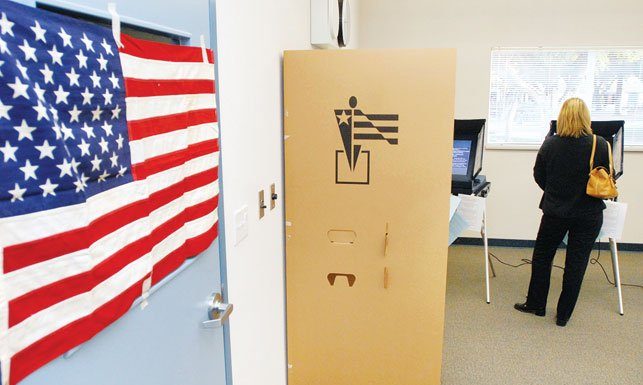
Assemblyman Luis Alejo traveled to El Salvador to meet with political leaders in Watsonville’s sister city, San Pedro Masahuat.
Mi Pueblo update: Mayor to ask council to appeal decision
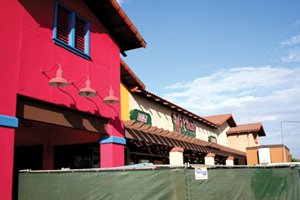
Mayor Al Pinheiro will motion to place an appeal on the City
Too Close for Comfort: Tall Homes Loom Over Dream Homes
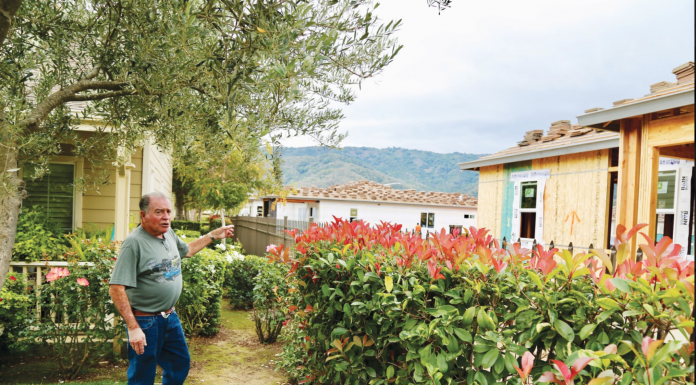
Jerry and Janet Larner bought their dream house for $460,000 in 2004, a 1,200-square-foot bungalow with a view of flowery fields and green hills along Hecker Pass they hoped to live in for the rest of their lives.

New “Coffee with the Mayor” date

Mayor Don Gage is having another “Coffee with the Mayor” event at 9:30 a.m. Saturday in the City Council Chambers located at 7351 Rosanna St. in Gilroy.
Poll: Most Californians want re-vote on high-speed rail
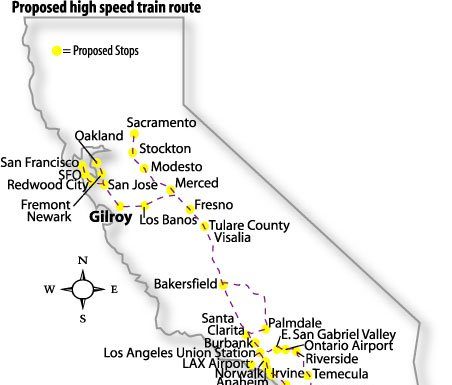
GILROY - California residents want another chance to weigh-in on the state's controversial and expensive high-speed rail project, according to a poll of 1,000 voters released this week. And if given the opportunity, the majority of them wouldn't vote to approve the project again, the poll shows.
City helps on unsafe buildings
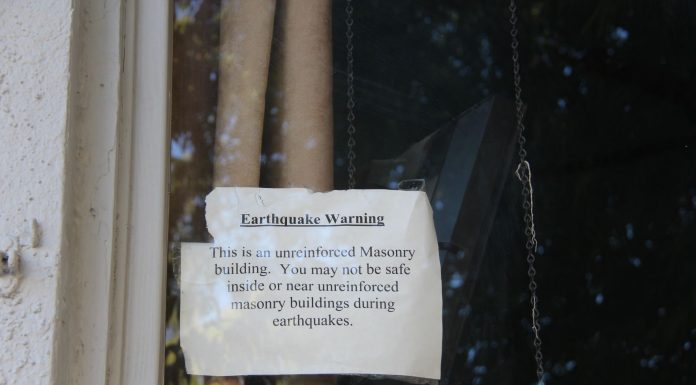
In a move that has been lauded by downtown property owners and the association that represents downtown businesses, the city’s stance on unreinforced masonry (URM) buildings is about to get a little more flexible.“The city’s goal is to get all [of the URM buildings] under compliance so that we can move forward, get them all occupied, and downtown hopping,” said Susan Ostrander, interim development services manager.“We are starting to get more interest in downtown,” she continued. “A sign of the economy in turnaround.”Currently, there are 15 URM buildings downtown, she said, all at different stages of compliance with the city’s current URM ordinance to ensure earthquake safety.“Some have never been occupied, some have been vacated. Some are working on planning permits toward getting their facades done, while others have completed the planning stage and entered in the building permit stages for retrofit work,” she said.At its last meeting, the City Council moved forward with staff recommendations to make the city’s URM ordinance easier for downtown property owners to comply with, in order to make the necessary upgrades to their buildings while ensuring public safety.The state’s URM building law requires local jurisdictions such as Gilroy to inventory all potentially hazardous buildings and establish a local program to mitigate the hazards. In 2006, Gilroy amended its URM ordinance to require one of two levels of mitigation: a “mandatory” minimum retrofit or a “voluntary” full retrofit.What turned out to be contentious, and according to Ostrander’s staff report, “counterproductive,” was a rule in the ordinance that mandated a URM building that has been vacant for 24 hours remain unoccupied until a minimum or full retrofit is completed.“The 24-hour requirement has resulted in high vacancies among the URM buildings,” according to the report presented to the council.Ostrander, working with concerns presented at recent URM Task Force meetings, suggested changing the 24-hour time period to 120 days continuous vacancy before the retrofit requirement kicked in. Staff also recommended the city accept bonds at 100 percent for URM retrofit activities, instead of the standard 200 percent.Most important, the amended ordinance gives city building officials discretion in issuing a temporary certificate of occupancy to eligible vacant URM buildings prior to the building being retrofitted.“We wanted the ability to—in certain circumstances when health and safety is not at risk—allow temporary occupancy during retrofitting,” said Ostrander. “Buildings that have been vacant for a long time are losing rental income and can’t pay for a retrofit—there is no winning in that situation.”Gary Walton, downtown property owner and member of various URM committees over the years said it was “unfortunate” it took the city 10 years to get back to what state law required.“No other city in the state prohibits tenants from occupying a URM building after 24 hours being empty,” he said, adding that he understood the city’s original intent was to get the repairs done, but the strict timeframe and the inability of owners to occupy their buildings while retrofitting, was a high barrier to those who didn’t have the ready capital to make the required changes.“You have to be reasonable,” he said.None of Walton’s downtown holdings are URM buildings.“Ten years of non-economic activity can mean up to $1 million in lost revenue,” said Jose Montes, owner of four buildings downtown, including the old Dick Bruhn’s location—home of the soon-to-open used bookstore, BookBuyers.“So technically you already lost your building since you’ve lost more in rent than what your building is worth. And you are still paying property taxes and insurance. Not to mention the cost of damages to the [now vacant] building and penalties.”The city has come a long way since an earlier version of the ordinance placed a $60,000 fine on each URM building out of compliance.“Back then we had 25 URM buildings downtown and you could either pay the fine or tear down the building for $45,000,” recalled Walton. “It would have torn out the heart of downtown. So they brought down the fee to $15,000.”That was in 2011, the last time the ordinance was amended. Less than a year ago, the city was issuing arrest warrants to out-of-town URM property owners for non-compliance.The tough tactic, spurred by former mayor Don Gage, left some rancour between downtown property owners, local lawmakers and city staff, especially when it turned out official letters from the city never got to the property owners in question.“We’ve been making progress in bringing owners to the table over the last three years,” said Walton, who also serves on the board of the Downtown Business Association, which sent a letter of support to the city regarding the ordinance amendments.“They didn’t understand the difficulty they created by removing the stream of income property owners could have used to make improvements.”Walton added: “There are some things they did right and others they did wrong, but it’s done. You can’t change the past, only change the future, and this is a good first step in doing something positive.”For his part, Montes is excited about the changes.“I see new staff, a new City Council and mayor, a new city administrator and they all realize that new steps needed to take place before we got downtown going again,” he said.The first reading of the amended URM ordinance will take place at the next City Council meeting on Monday, June 20.
Public decries sign ordinance
Car dealers, furniture dealers and other small business owners showed up in force to boycott Gilroy's extensive sign ordinance during a special council meeting Monday night.